

LEADERSHIP ALIGNMENT
Leadership groups often need to make decisions in pressured, uncertain or sensitive environments and to do this successfully, the group needs to build collaborative working relationships, a collective purpose and a sense of shared direction.
WHAT WE OFFER
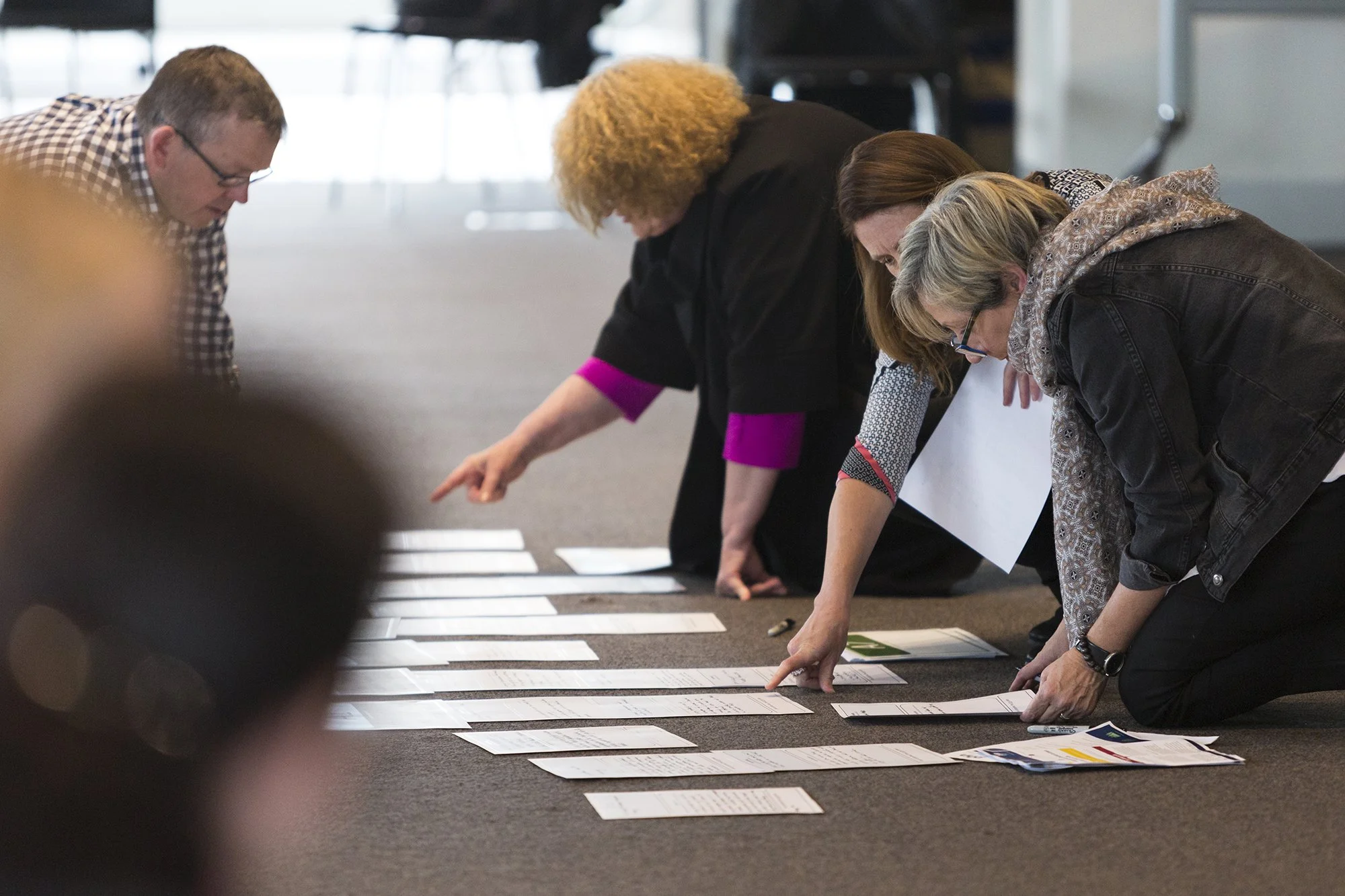
Leadership workshops can take many forms. Examples of sessions include:
strategic planning workshops
leadership and governance retreats
executive, councillor or board alignment sessions
cross-team collaboration sessions (e.g. ELT-Councillor or Exec-Operations)
facilitated development of working agreements
clarification of roles, responsibilities and decision-making pathways
sensemaking sessions to consider data or reports and what this means for the leadership group’s role
sessions to embed vision, values or behaviours into everyday practice.’
We deliver collective group processes rather mediate individual disputes between two parties or resolving individual issues. Where divergence or tensions exist, we help the group table and work through them together in service of a shared outcome that benefits the whole.

VALUE AND IMPACT
Our facilitators bring neutrality, independence and experience working with leaders and decision makers. We can help groups to:
determine their role in the implementation of strategic directions
achieve clarity on strategic priorities or parameters for future action
build the conenction between and improve performance across both elected and operational leadershup groups
table conflict constructively without derailing the work and purpose of the group
build stronger working relationships and shared ownership of the way forward
interpret complex data and information or navigate challenges and complexity.
WHAT this helps solve
Risks mitigated by facilitated leadership sessions include:
misalignment between leaders that has the group stuck
governance tension
unclear priorities or roles
lack of shared purpose
strained executive-councillor relationships
unresolved group tension
unclear decision-making pathways
difficulty moving from discussion to agreed action.